
2026
TONGANLI
Entrant
LSD Interior Design
Category
Interior Design - Residential
Client's Name
CHINA MERCHANTS SHEKOU HOLDINGS
Country / Region
China
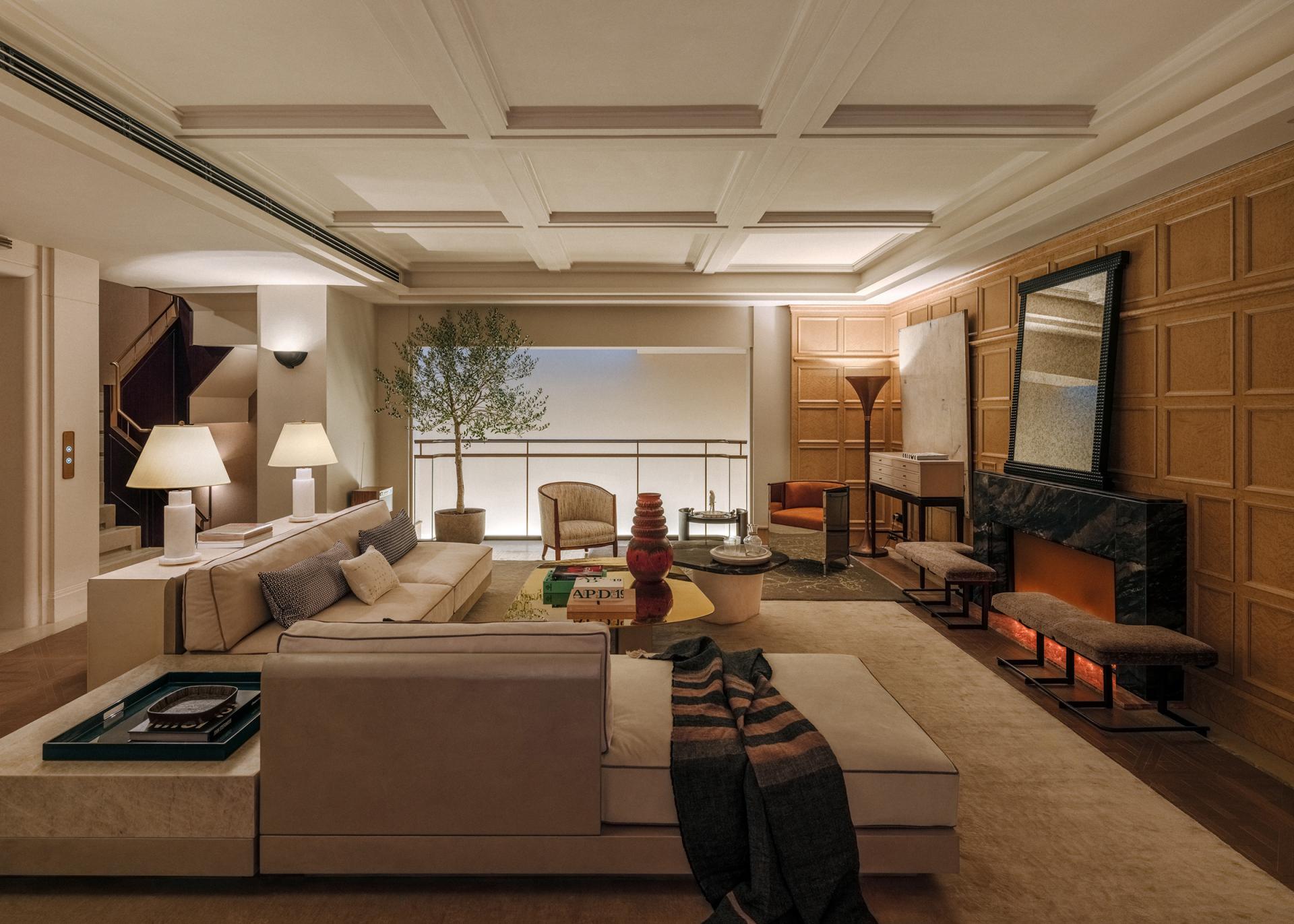
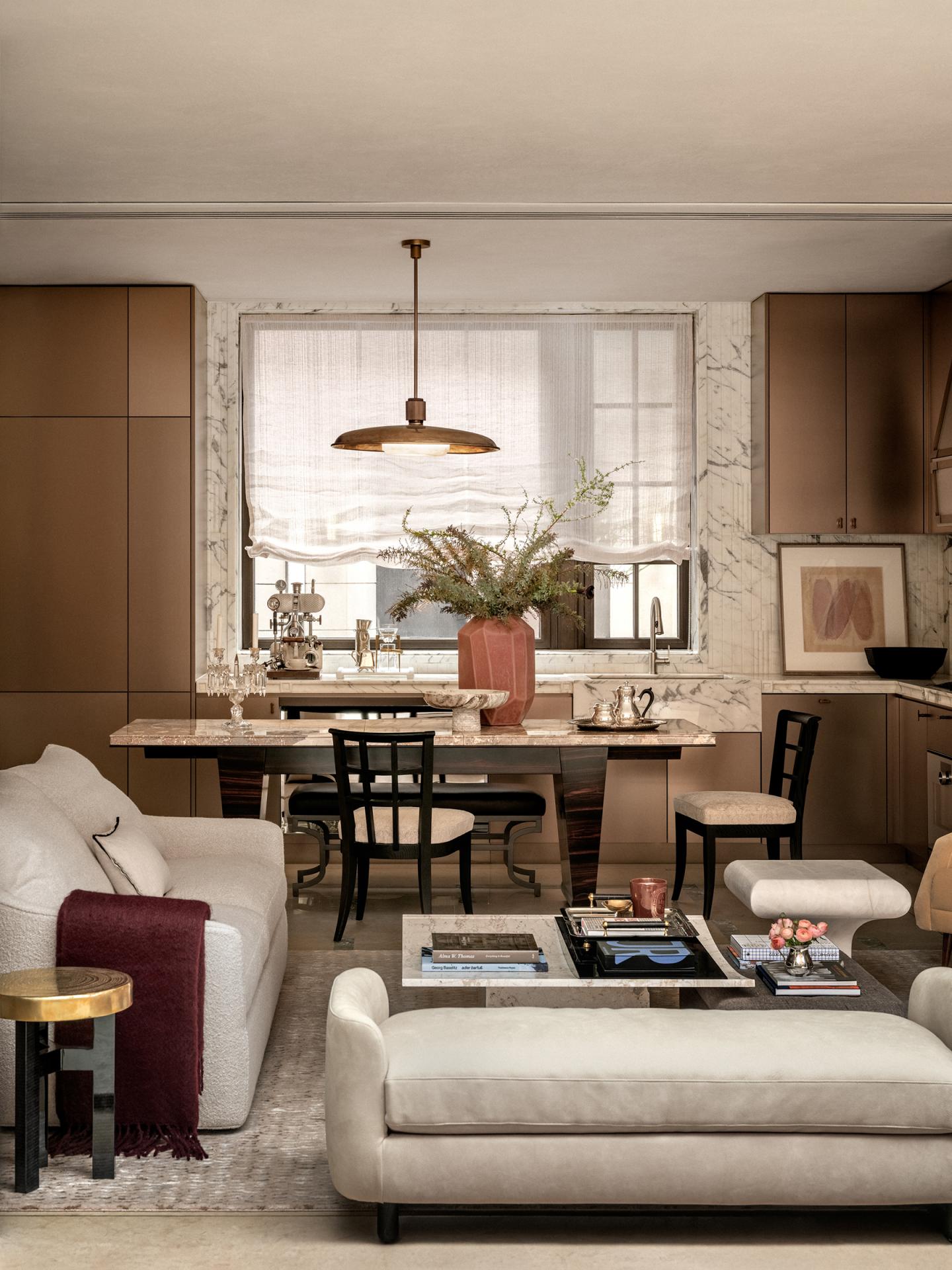
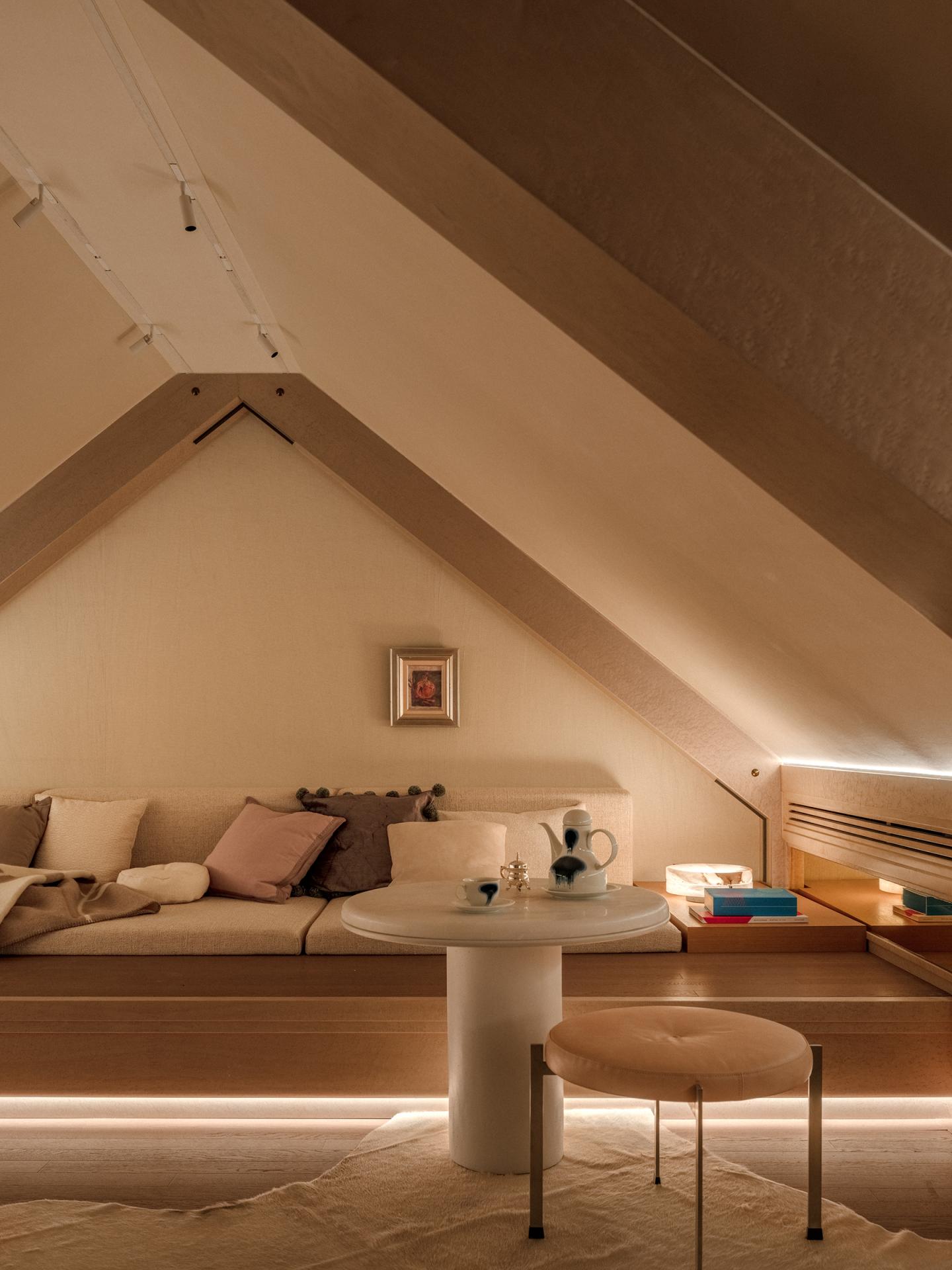
This project reinterprets a Shikumen-style villa by transforming its inherently intimate scale into a spatial advantage, where light, quietness, and human-scale details define a warm and livable environment. Rather than overcoming constraints, the design embraces them, allowing everyday life to unfold within a nuanced and layered spatial framework.
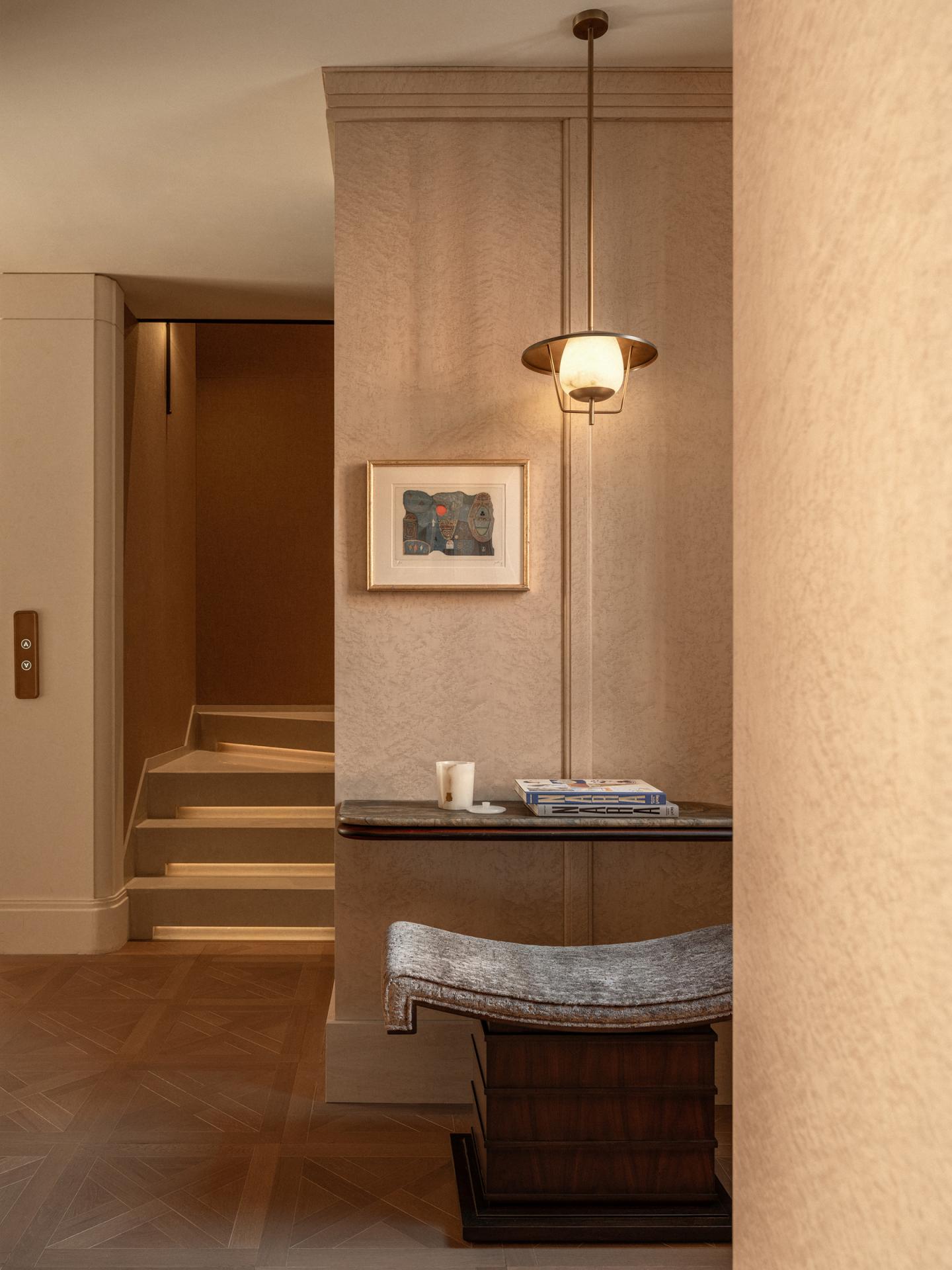
On the ground floor, a private garden marks the entrance, with the living room directly connected to the courtyard to strengthen indoor-outdoor interaction. This openness enhances both functionality and flexibility. Architectural details such as baseboards and moldings are abstracted from traditional Shikumen elements, creating a subtle connection to local heritage while maintaining a contemporary expression.
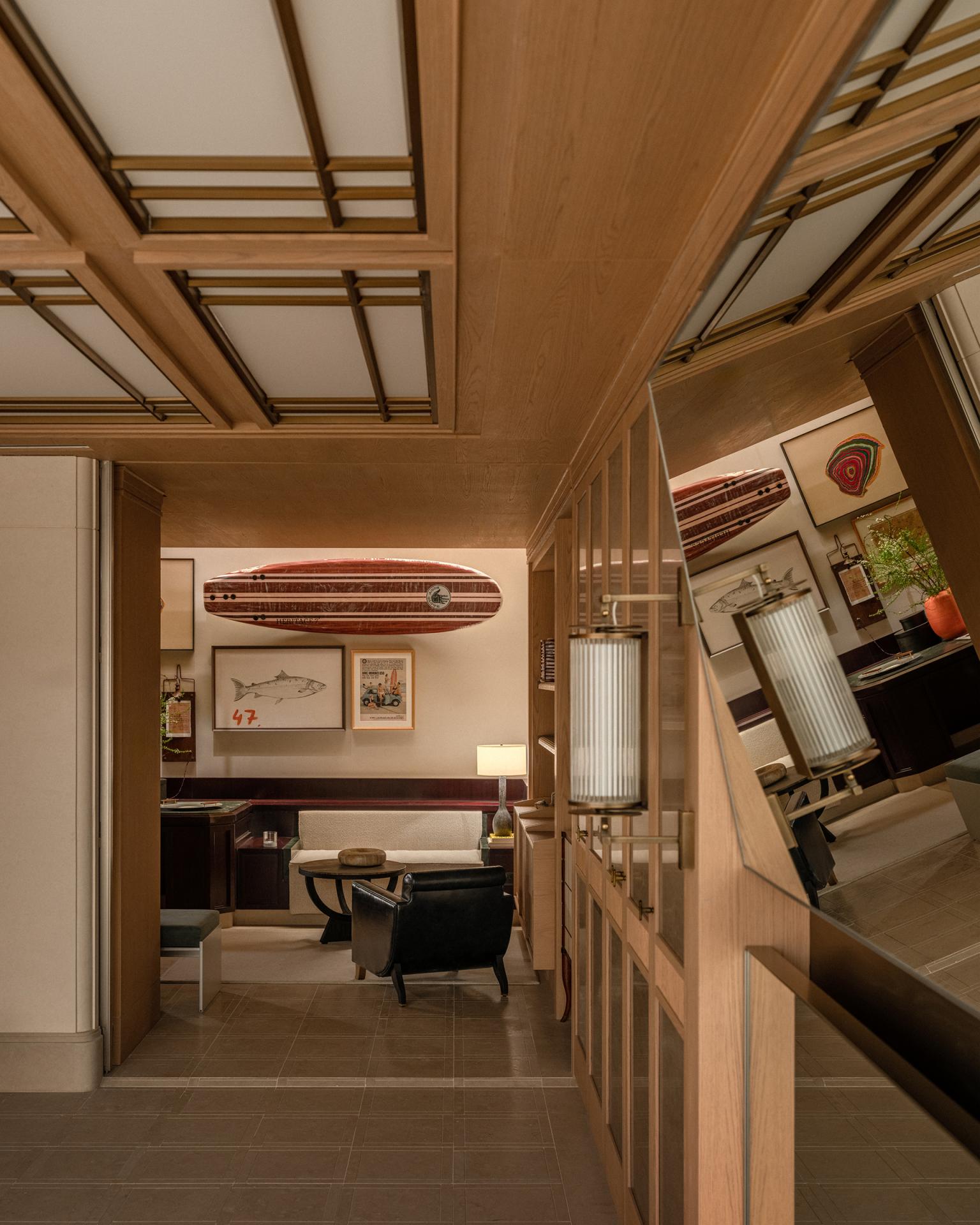
A sliding partition between the living and dining areas introduces spatial adaptability, enabling a seamless transition between openness and privacy. Its surface pattern reinterprets classic Shanghai window grilles, preserving their rhythmic quality within a simplified, modern composition. This approach reinforces the continuity between historical memory and present-day living.
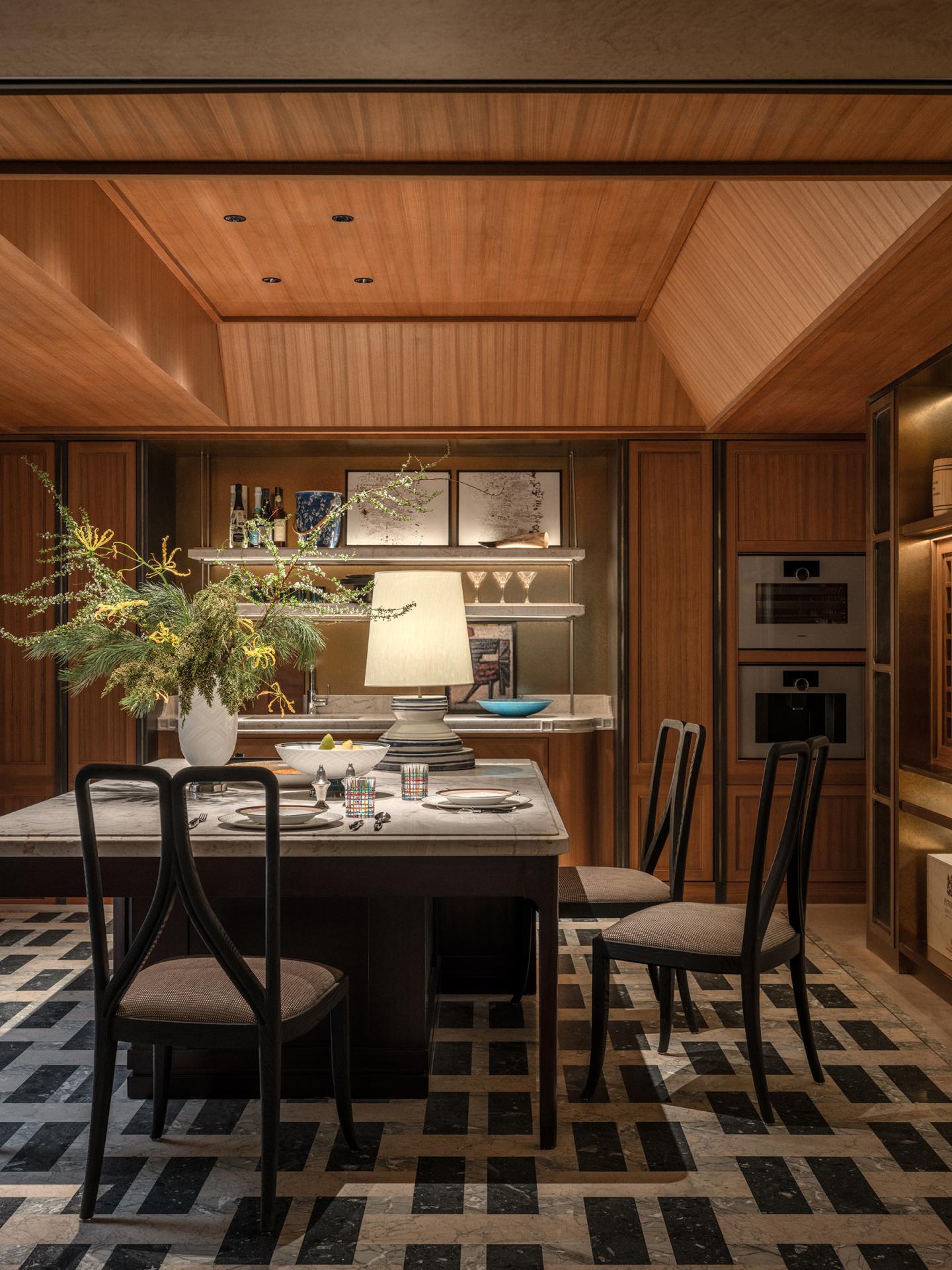
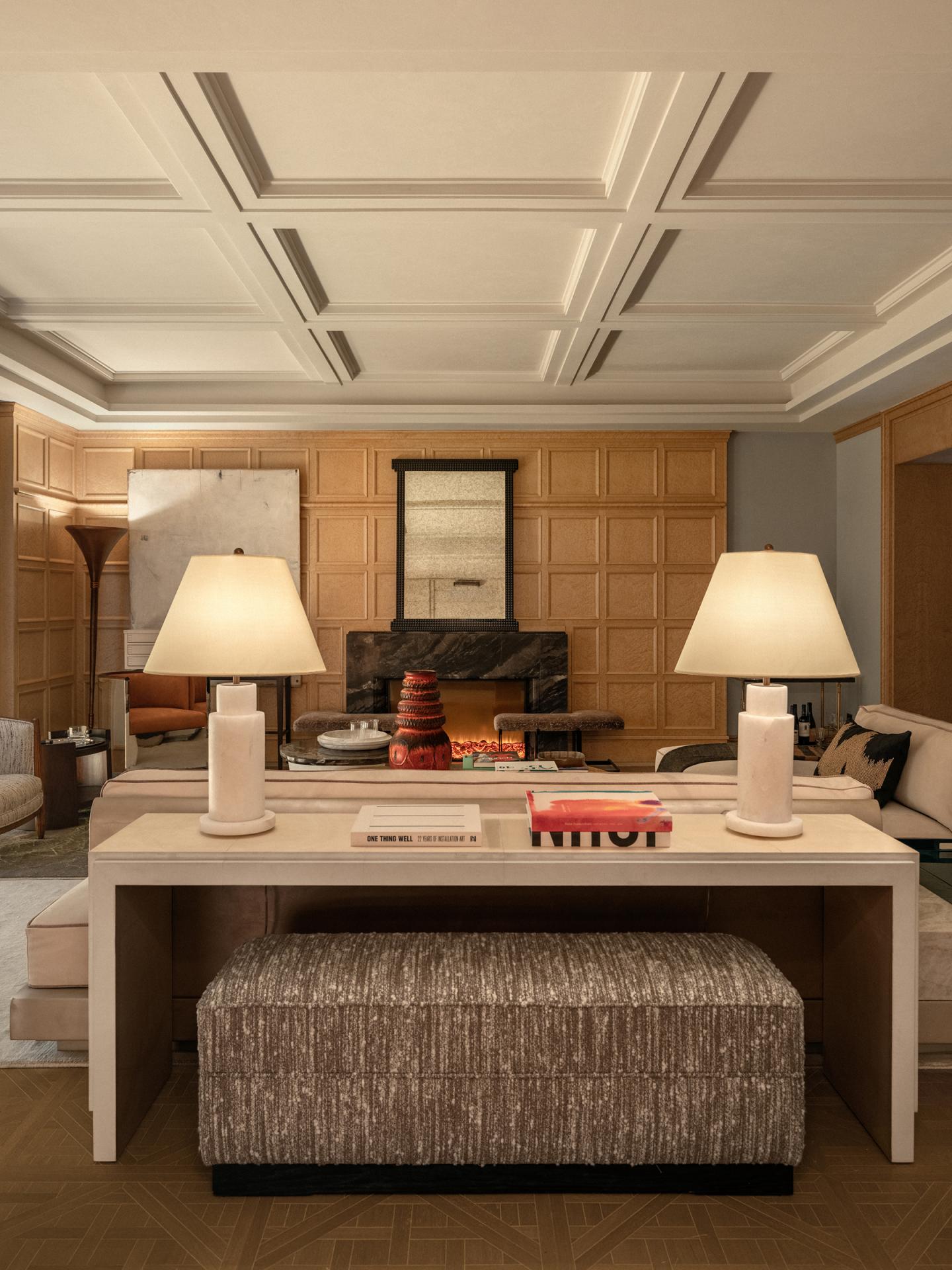
The mezzanine level serves as a social hub, accommodating gatherings, dining, and entertainment. It extends the living space into a multifunctional platform that reflects the homeowner’s lifestyle and cultural interests. The overall layout adopts a centripetal strategy, where different zones are clearly defined yet visually connected. Material transitions, such as wood flooring in the lounge and stone parquetry in the dining area, subtly articulate functional distinctions while maintaining coherence.
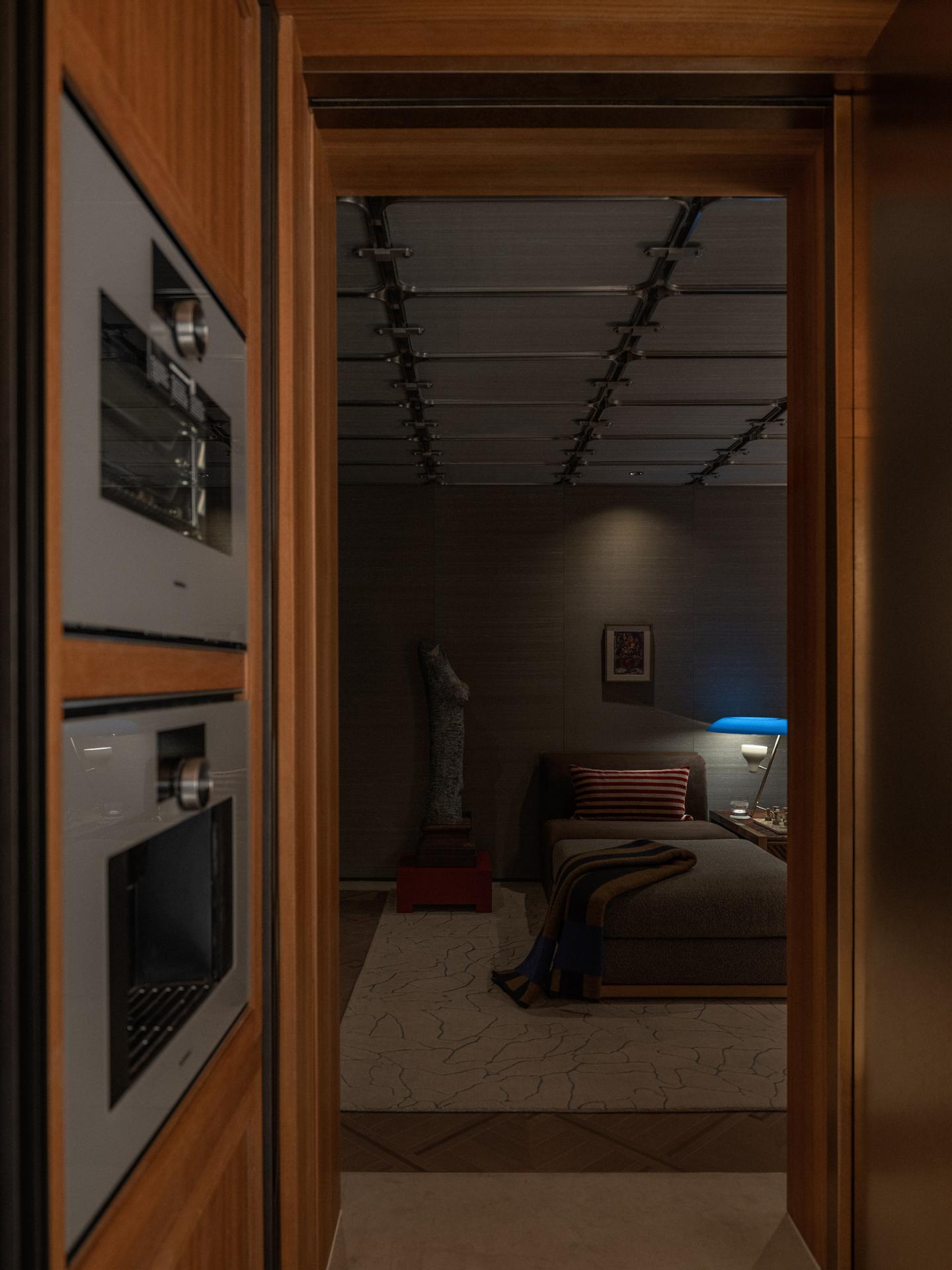
In the private dining area, the bar counter is expanded to support formal use, while recessed ceiling design alleviates spatial compression. Integrated wine storage enhances both functionality and spatial perception. Circulation is further optimized through an open connection between the media room and adjacent spaces, using a bookshelf as a transitional element that balances privacy with visual continuity.
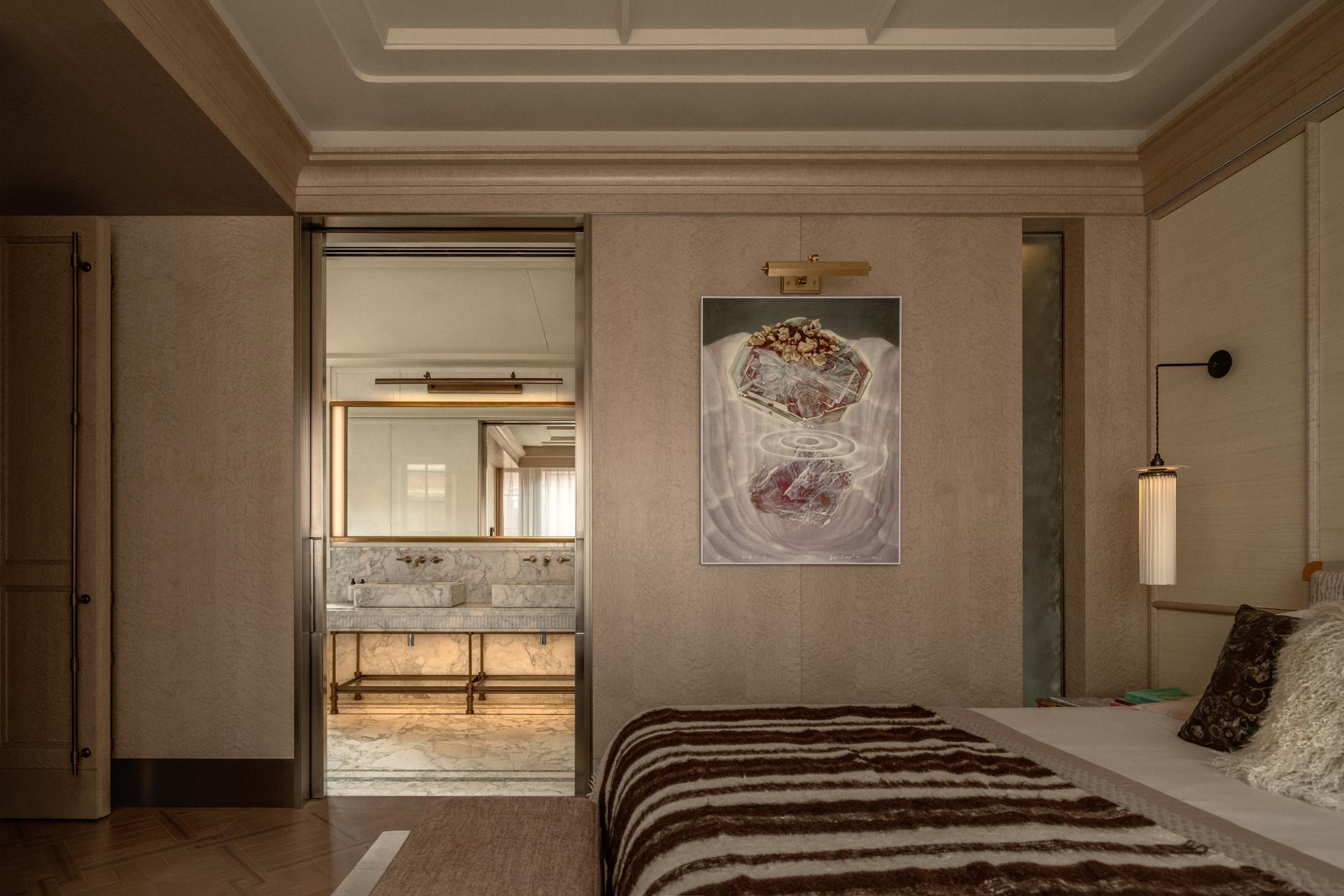
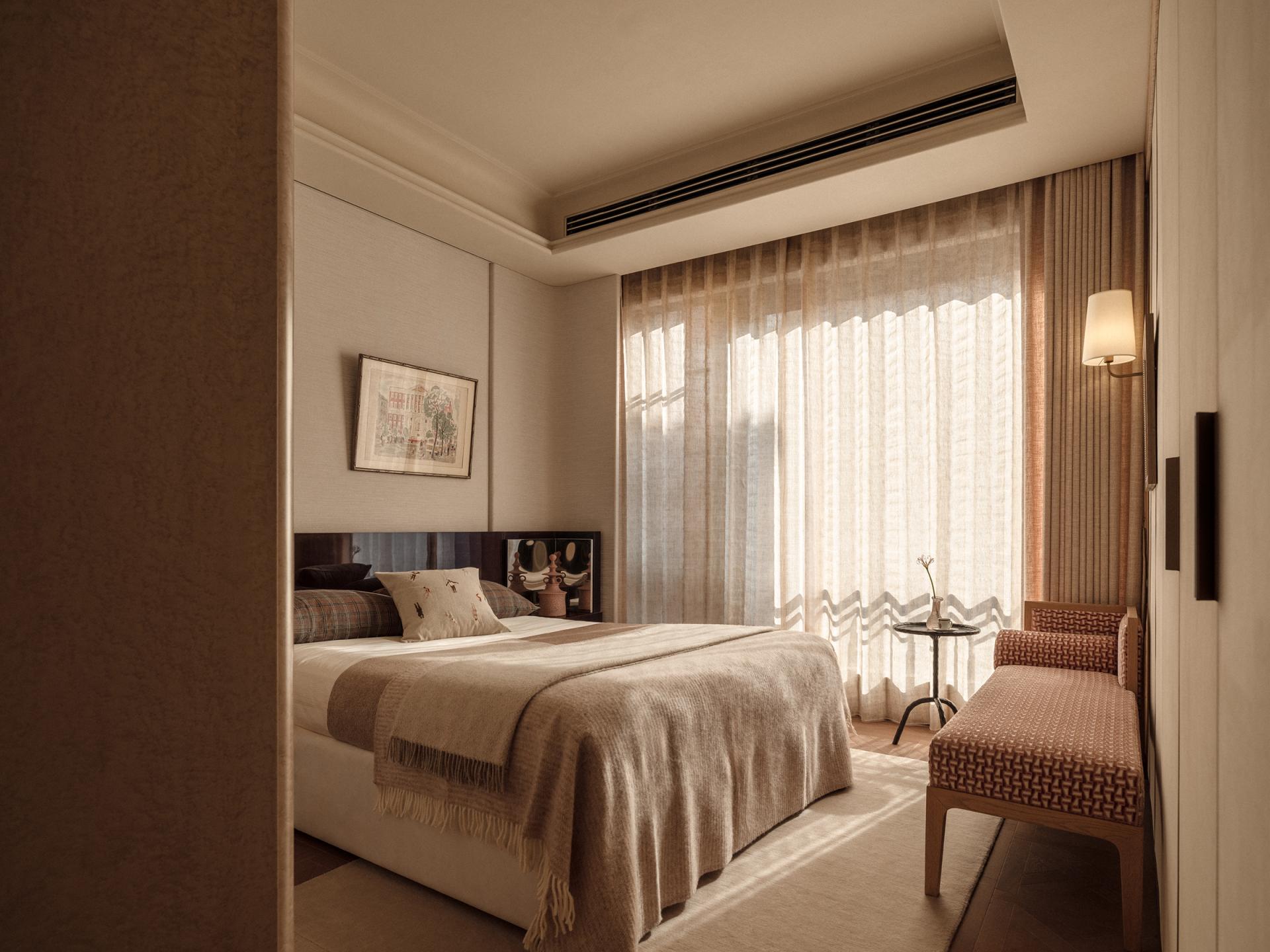
Upper floors are dedicated to private living. The second floor accommodates guest suites with independent facilities, while the third floor is reserved for the master suite, where circulation and layout are refined to create a more spacious, comfortable, and contemporary living environment.
Credits

Entrant
Cheng He Interior Design
Category
Interior Design - Restaurants & Bars
Entrant
BLUES
Category
Landscape Design - Residential Landscape
Entrant
CBRE Vancouver
Category
Property Content - Brochure

Entrant
Damai Interior Design
Category
Interior Design - Residential